
The Medical College Ex-Students' Association (MCESA), Calcutta, is a storied alumni organization affiliated with the Medical College Bengal, Asia's oldest medical institution of modern medicine, established in 1835. Known for fostering camaraderie, preserving the legacy of the alma mater, and promoting academic and cultural activities, the MCESA has played a significant role in uniting alumni and contributing to the institution's heritage. Below is a detailed history of the MCESA, based on available information, including its origins, evolution, key milestones, and activities.
Origins and Establishment (1920s–1929)
The concept of the Medical College Ex-Students' Association emerged in the 1920s, a period when Medical College Bengal was already a prestigious institution producing skilled physicians who contributed to India's healthcare and independence movement. The idea was to create a formal platform for alumni to maintain bonds, support their alma mater, and celebrate shared memories. The association was officially established in 1929, formalizing earlier informal gatherings of alumni, affectionately known as "Matiyas" (a term derived from the Bengali word for earth, symbolizing their rootedness to their alma mater).
- Founding Objective: The primary goal was to preserve alumni connections, promote the college's reputation, and provide a space for ex-students to reconnect through annual reunions. The association aimed to honour the institution's pioneering role in medical education, including milestones such as India's first human dissection by Pandit Madhusudan Gupta on 10th January, 1836 (10th January was declared as the Medical Education Day by the Government of West Bengal), and the admission of women, like Kadambini Ganguly, in 1883.
- First President: Sir Nilratan Sircar, a distinguished alumnus, eminent physician, and knighted medical educator, served as the first president of the MCESA, setting a strong foundation for its activities.
Early Years and Growth (1930s–1970s)
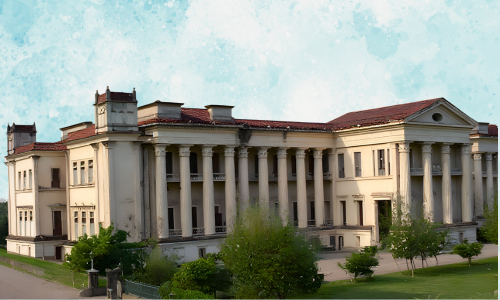
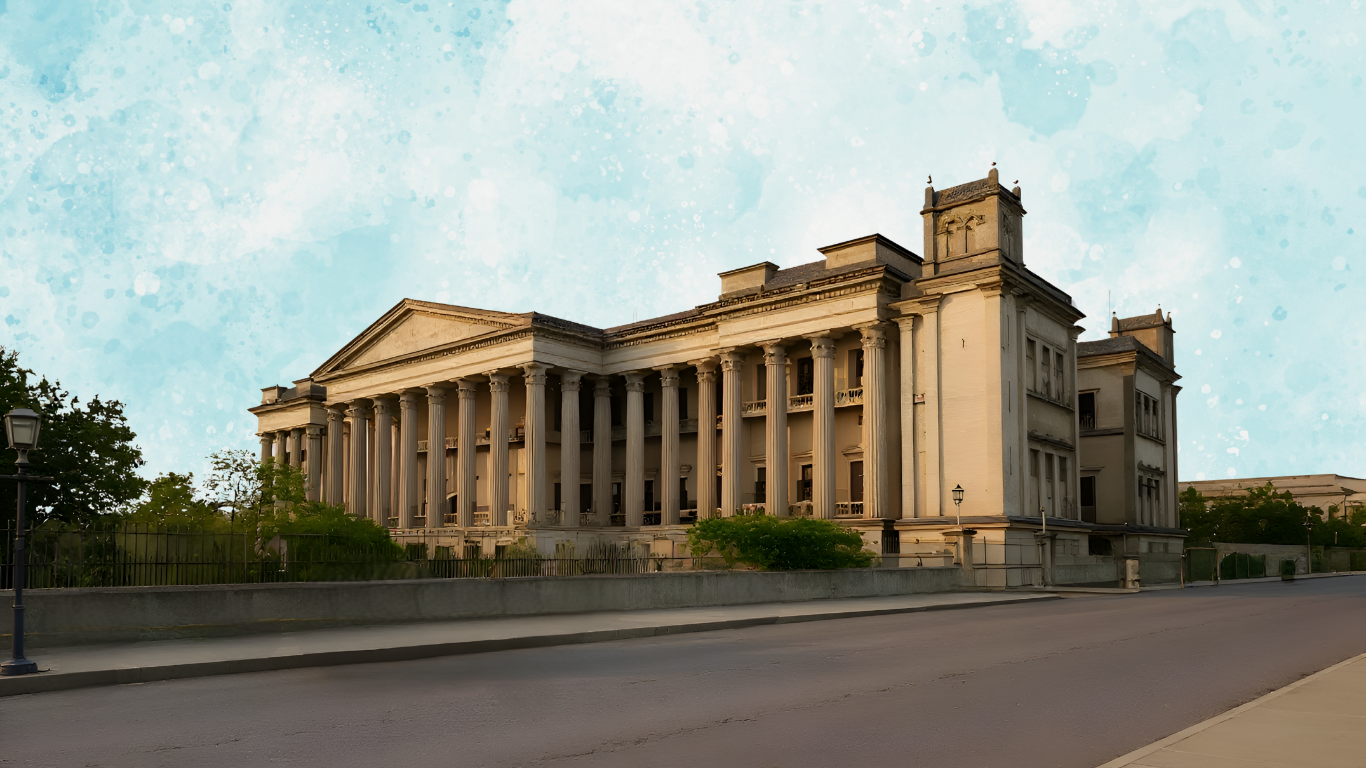
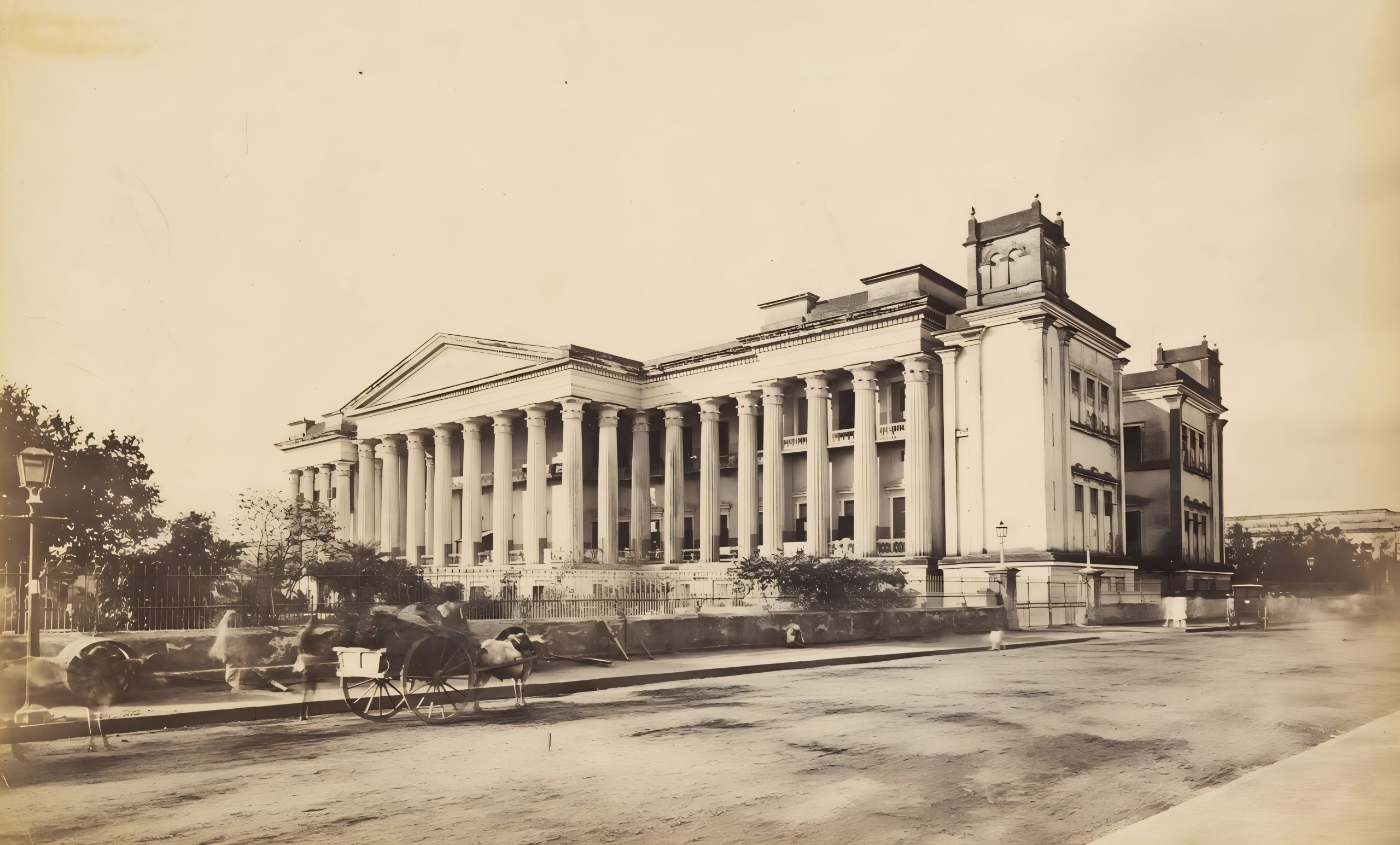
In its early decades, the MCESA focused on organizing reunions and fostering professional and personal connections among alumni. These gatherings were modest, often held on the college campus at 88 College Street, Kolkata, and centred around reminiscing, networking, and supporting the institution's development.
- Reunions as a Tradition: The annual reunion, known as the "Matiya Reunion," became the flagship event, bringing together alumni to celebrate their shared history. These events included cultural programs, academic discussions, and tributes to notable alumni. By the 1950s, the reunions had grown in scale, reflecting the increasing number of graduates and the college's expanding diaspora.
- Political and Social Engagement: The MCESA was influenced by the college's legacy of activism during India's freedom struggle. Many alumni, who were involved in anti-British movements through the Bengal Provincial Students' Federation, carried this spirit into the association.
- Bidhan Chandra Roy's Influence: Dr. Bidhan Chandra Roy, an alumnus and West Bengal's second Chief Minister (1948–1962), was a key figure in the MCESA's early prominence. His establishment of the Students' Health Home in 1952, a healthcare initiative for students, was supported by the association, reinforcing its commitment to social good.
International Expansion and MCESA UK (1978)
The 1970s marked a significant development with the establishment of the Medical College Ex-Students' Association UK (MCESAUK) in 1978, led by Dr. Kamal Panja. This was a response to the growing diaspora of Medical College alumni settling abroad, particularly in the United Kingdom. Inspired by the parent MCESA in Kolkata, MCESAUK aimed to unite alumni in the UK, promote the college's legacy, and organize reunions tailored to the needs of the diaspora.
- MCESAUK Activities: The UK branch organizes annual reunions, typically held over three days in July, featuring cultural events (drama, singing, dance), academic sessions accredited for Continuing Professional Development (CPD) credits by a Royal College, and social activities like gala dinners and barbecues. Notable innovations include:
- 1995: First reunion held in a hotel.
- 2007: Indian food served at the gala dinner in Croydon.
- 2009: Bollywood/Hollywood-style event in Nottingham.
- 2013: Photographic exhibition showcasing the college's colonial architecture.
- 2016: A Bengali adaptation of Shakespeare's Merchant of Venice performed on a Thames barge.
- Structure: The MCESAUK operates under a democratic constitution with an elected Executive Council, chaired by a senior alumnus with a strong track record. The Annual General Meeting (AGM) during reunions allows members to shape the organization's direction.
Key Milestones and Notable Reunions
The MCESA has organized annual reunions since its inception, with several standing out for their scale, innovation, or historical significance:
- 89th Reunion and 190th Anniversary (2024): Held from January 27-31, 2024, in partnership with the British Council, this event celebrated the college's 190 years and the MCESA's 89th reunion. Key features included:
- Launch of the coffee table book Calcutta Medical College: 190 Years of Excellence.
- A talk show moderated by Dr. Amit Ghose, featuring dignitaries like Gopal Krishna Gandhi, former Governor of West Bengal, and Jawhar Sircar, Rajya Sabha MP.
- A performance by Bickram Ghosh's band Rhythmscape, with singers Iman Chakraborty and Nirmalya Roy.
- Participation of over 2,000 doctors, including 129 from countries like the US, UK, Japan, Dubai, and France, connected via video calls.
- Emphasis on uniting alumni across political differences and planning for the college's 200th anniversary in 2035.
- Dr. Abhik Ghosh (Honorary Secretary) and Dr. Anirban Dalui (Honorary Treasurer) played key roles in this reunion.
Cultural and Academic Contributions
- Matiya Anthem: The MCESA has a dedicated anthem, composed by Dr. Kaustabh Mukhopadhyay, with music by Souvik Gupta (Savvy) and sung by Prashmita Paul, produced by Dr. Anjan Das. It was recorded and shot (by using a drone for the first time) in the tenure (2016-2017) of Dr. Abhijit Chaudhuri (Honorary Secretary) and Dr. Prasanta Kumar Bhattacharyya (President) for the 83rd reunion of the MCESA, Calcutta. The anthem, set to the tune of Dhono Dhanno Pushpo Bhora, celebrates the college's legacy and alumni pride.
- Film and Media: In 2024, the MCESA supported the release of Protyabartan: The Homecoming, a film about the college and its alumni, presented by Dr. Abhik Ghosh and Samiran Das, produced by Kaleidoscope Entertainment Pvt Ltd. The film aims to document the institution's history and is under consideration for theatrical release.
- Academic Engagement: The association organizes scientific sessions during reunions, often accredited for CPD credits, fostering professional development. It has also invited international alumni speakers from the US and UK to discuss higher education opportunities abroad.
Challenges and Resilience
- Pandemic Hiatus: The COVID-19 pandemic disrupted the MCESA's regular reunions, with the 89th reunion in 2024 marking a grand return after cancellations. The association adapted by incorporating virtual participation from international alumni.
- Maintaining Relevance: The MCESA has worked to engage younger alumni, as noted in the MCESAUK's 2024 chairperson's message, which emphasized making reunions attractive and sustainable for new members.
Legacy and Impact
The Medical College Ex-Students' Association, Calcutta, has been a vital link for alumni since 1929, fostering a sense of community and pride among "Matiyas." Its reunions, cultural initiatives, and academic contributions have preserved the college's 190-year legacy while adapting to modern needs. The association's international reach, through branches like MCESAUK, and its engagement with social issues demonstrate its enduring relevance. As the college approaches its 200th anniversary in 2035, the MCESA continues to plan for a future that honours its past while embracing new opportunities for connection and impact.